Most of this is tougher than it looks and a couple of things aren't. Find your material.
Glazed ceramic and stoneware — Warm water and a soft cloth. Skip the dishwasher on anything with a matte finish or an unglazed base; detergent dulls the glaze over time and raw clay drinks it. Nothing with metallic detail goes in a microwave.
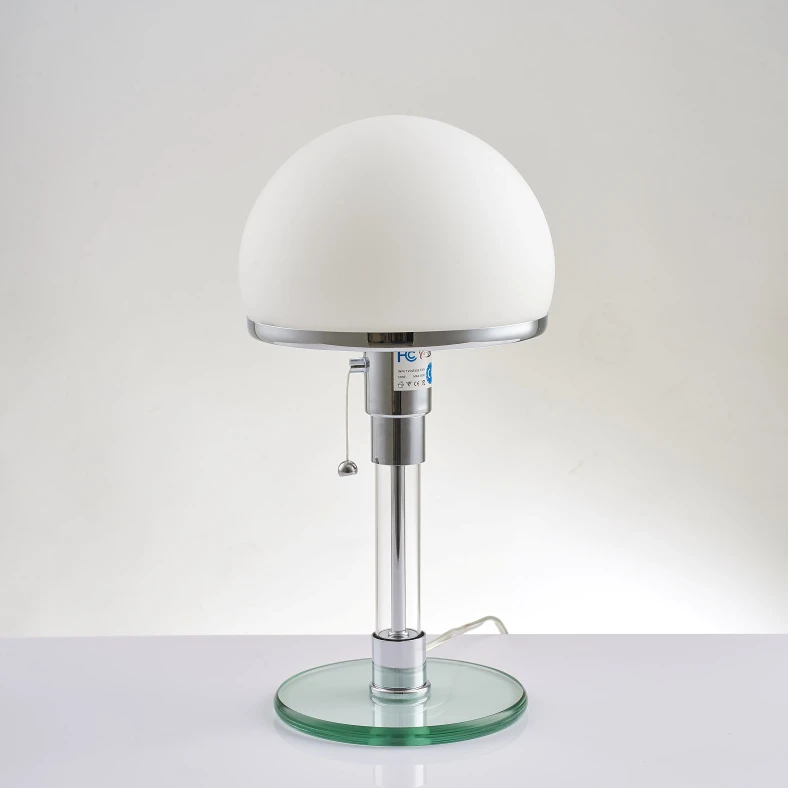
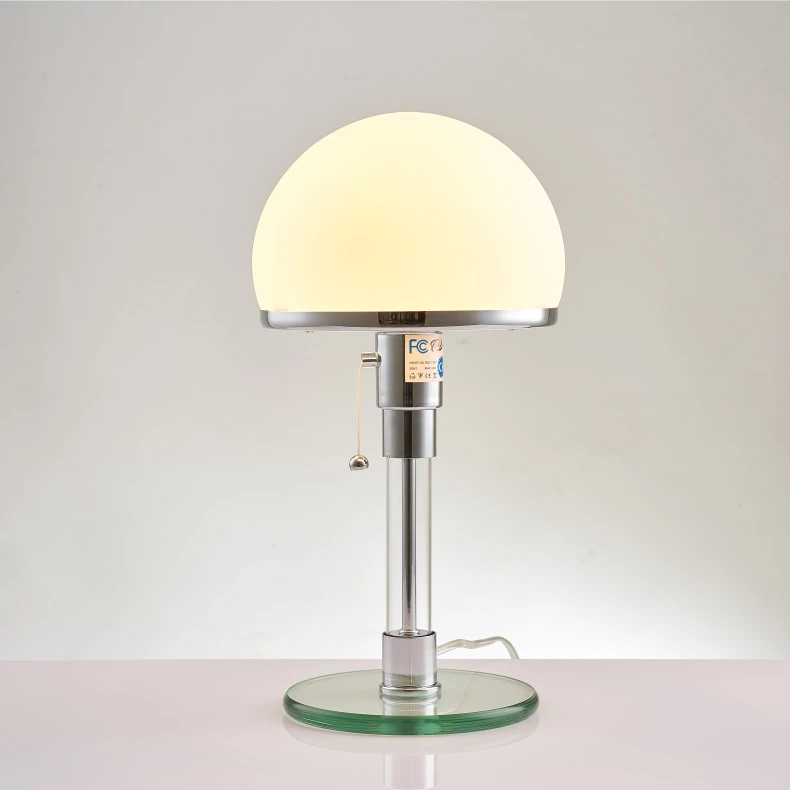
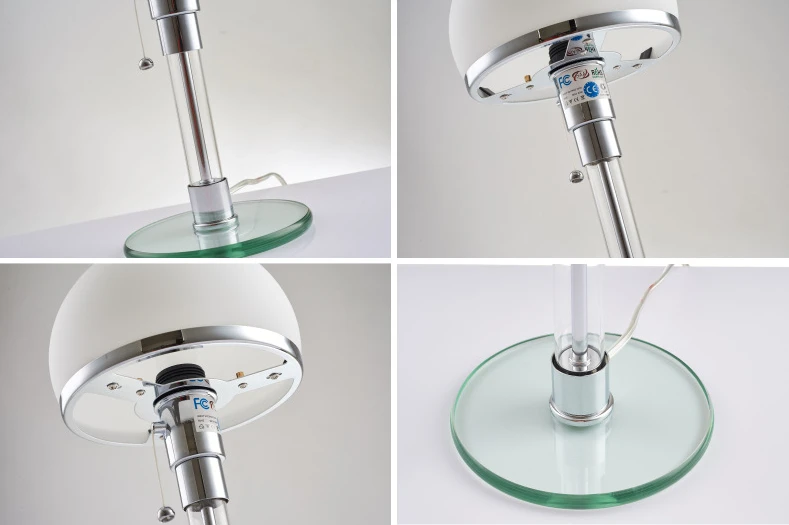
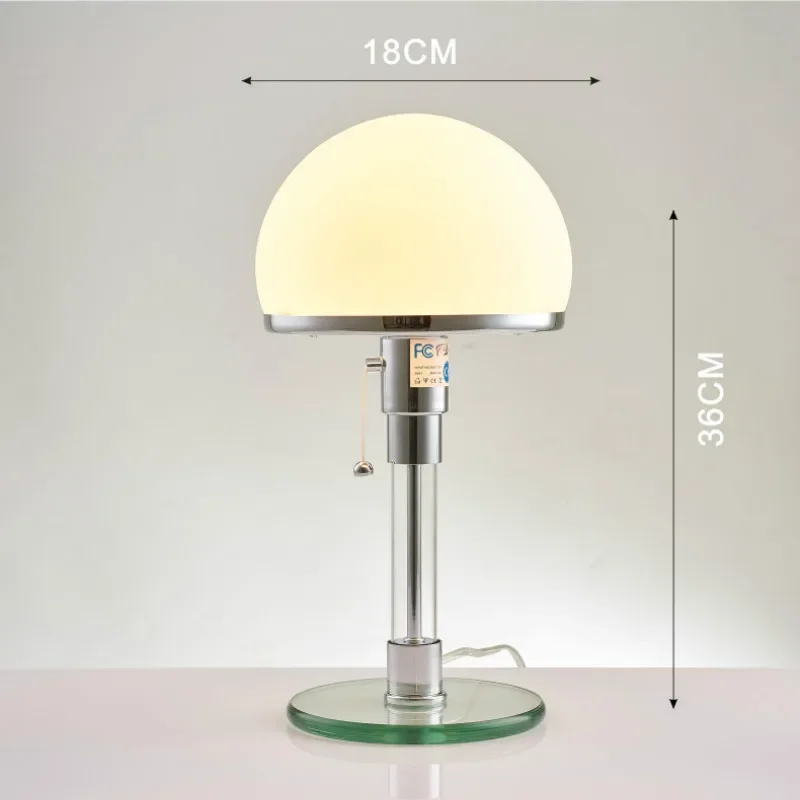
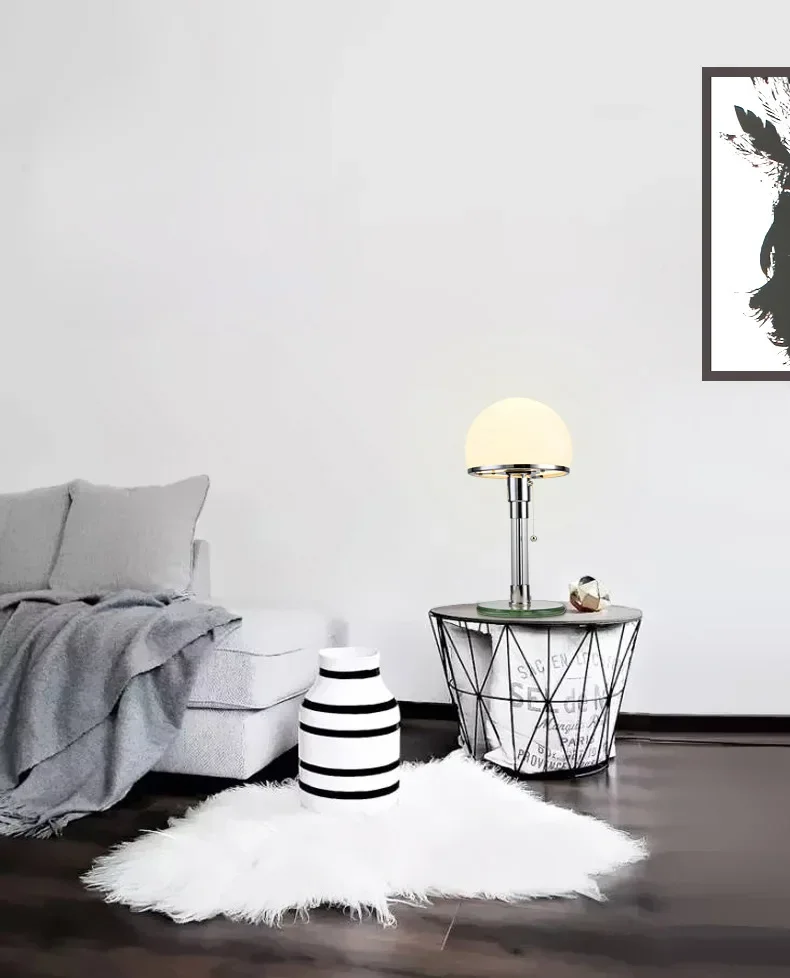
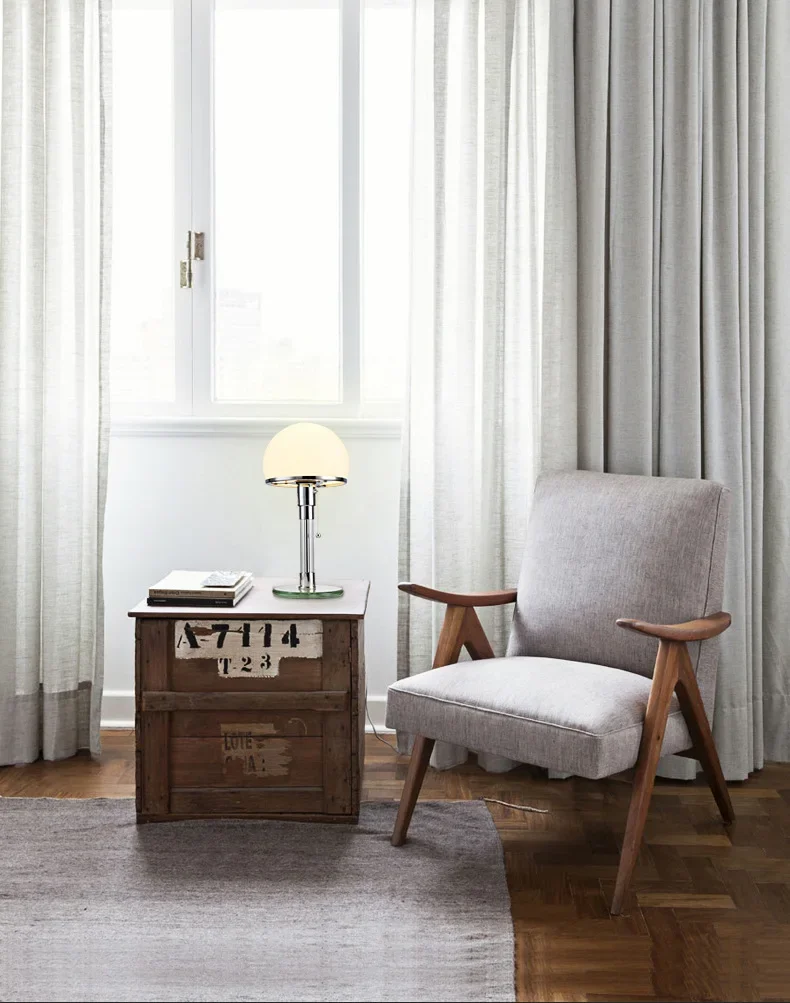
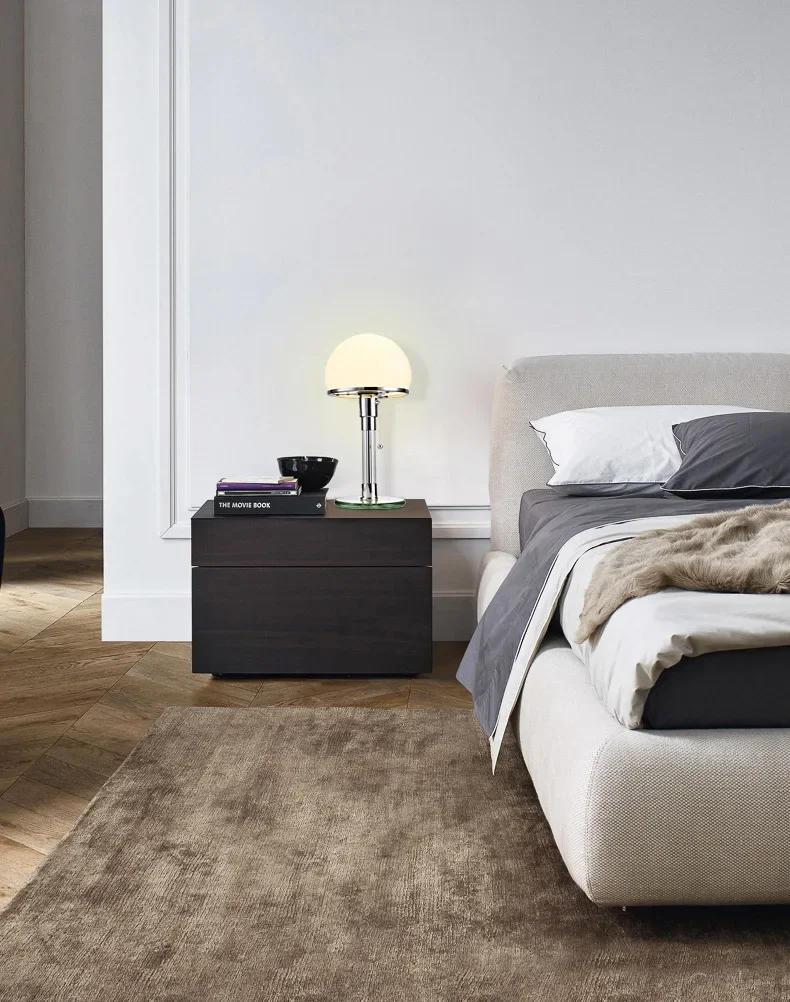
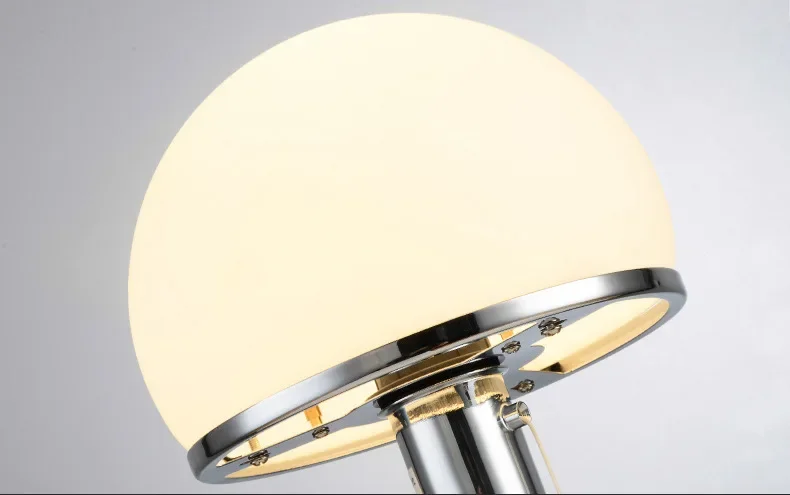
Glass — Warm water, a drop of dish soap, dried with a lint-free cloth so it doesn't spot. Never clean a shade while the bulb is still warm. Opal glass hides dust beautifully and then gives up all at once, so do it monthly whether it looks like it needs it or not.
Brushed steel and aluminium — Wipe along the grain, never across it. A damp cloth handles most things; for fingerprints, a little dish soap, then dry straight away. Nothing abrasive, and keep bleach and oven cleaner away from it entirely.
Mirror-polished steel and chrome — Shows everything, including your attempt to clean it. Dry microfibre, or barely damp. Glass cleaner leaves a film.
Powder-coated metal — Damp cloth only. Solvents lift the colour, and once the coating is chipped the steel underneath will mark.
Paper shades — A dry soft brush, or a hairdryer on cold. Never damp. Paper discolours slowly in direct sun. That's normal and it isn't reversible, so keep it off a south-facing sill if you mind.
Anything with a bulb — Let it cool fully before you touch the shade, stay at or under the wattage listed above, and use an LED where you can. It runs cooler, which is kinder to paper, glass and cord alike.
Not sure which applies? The materials are in the details above, or just ask us.